Why I'm Writing Romantasy
After years of writers' block, I realized I wanted to tackle fiction from a different place. I wanted to read and write different kinds of stories than I had in my years as a romance novelist. Then, through my 25 year old bookworm kid, I discovered my passion for Romantasy.
As a lifelong fantasy and speculative fiction fan and a mushy gothic romantic at heart, I simply can't resist a good Romantasy series. What's funny is that the genre didn't really exist for most of my life, and when it finally burst onto the scene, I was in a long reading slump... I didn't really notice its arrival.
[Insert ode to lost time.]
Like so many nerds, I grew up reading The Hobbit and LOTR. Some of my earliest, most precious memories are of reading aloud about Bilbo and Gollum to my baby sister as she sat in our mom's lap. My family of origin wasn't a happy one, and my mom worked brutal hours, so those moments were precious to me. The experiences fostered a rich sense of wonder and escapism in baby Will.
Then as a preteen, I discovered Jane Austen. I tore through all her novels like a man possessed, hitting up the big county library every week to score more of my drug of choice. Those books taught me about romance in a very specific way. It was meant to be yearning and tender and restrained, bracketed by misfortunes of circumstance and birth, opposed by many and aided by a cherished few.
This is what the best Romantasy delivers then: A compelling combination of romantic yearning, complex social realities, and epic, imaginative settings. Reader, I am hooked. I read the big hits: Holly Black, Sarah J Maas, Rebecca Yarros, and the Emily Wilde books by Heather Fawcett, which especially captured me...and as I consumed these books and Heated Rivalry by Rachel Reid tore up the charts with its TV series' success, I wondered: Where are all the queer Romantasy novels?
My Publishing History
When I broke into the M/M publishing scene, the Austenesque vibe wasn't in vogue, and it wasn't something my broken heart felt capable of writing anyway. The publishers wanted heavy spice, lots of tropes, and fast-paced contemporary stories. They wanted assassins and spies and billionaire playboys. They wanted athletes and rockstars and CEOs.
So I tried to give them what they wanted: 50-70k of smut and true love, about queer men but not for the queer audience. At that time, I thought I was a queer cis woman. As I've mentioned, I didn't know there was an alternative. My coauthor? They didn't know it at the time, but they're genderqueer, for lack of a better term. Neither of us honestly knew what the majority female reader base wanted, and neither of us knew we didn't know.
I'd struggled with a lifetime of very heavy baggage in private before, but once I started publishing, all my unexamined biases and quirks and kinks were subtextually visible, there for any attentive reader to parse. Some of the reviews--public!--read me for absolute filth. The writing was good, the characters were interesting, the spice was spicy, but some of the dynamics sexually and socially were telling on me. Fortunately for me, I never went viral, and doubly fortunately, I was writing most of those books with a shameless bestie who helped me weather my mortification.
Over time, though, it wore me down to feel so exposed. It became a pain point. I was too self-conscious to create, and my inspiration ran out. How was I supposed to get into a character's head or find a flow state if all I could think of was how I would be perceived by strangers?
The Trans Factor
Not for nothing, this struggle paralleled my gender journey. Without the funds to medically transition or access any kind of therapy, I was doomed to incessant misgendering in my rural Texas community--itself an even more painful kind of constant exposure. An unfathomable future loomed, though life seemed better in some ways once I'd acknowledged to myself who I really was. I was living my truth despite the consequences.
But without an offline trans community or positive social experiences, I didn't want to write romances with trans characters, and I kind of felt like a fraud writing cis men. I felt isolated, uncertain of what a queer trans man's love life looked like when I didn't think I'd ever find love. I didn't have much education about the issues, either, and it would be years before I felt confident enough in my lived experiences and research to speak as a representative of my community.
Now, armed with more than a decade of life as a trans man, having finally been able to access some aspects of medical transition, I'm read correctly by strangers. I no longer feel exposed all the time. And for more than a year and a half, I've been seeing a lovely therapist who's working with me on my baggage. Finally, I'm healing.
Finally, I'm ready to be seen.
That Work In Progress
While I'd categorize my queer Romantasy WIP as a modern day faerie story in the vein of Holly Black's Folk of the Air, it's very much for adults. This is a planned trilogy called A Court of Nothing Special. The main romance is M/M, with an F/F subplot.
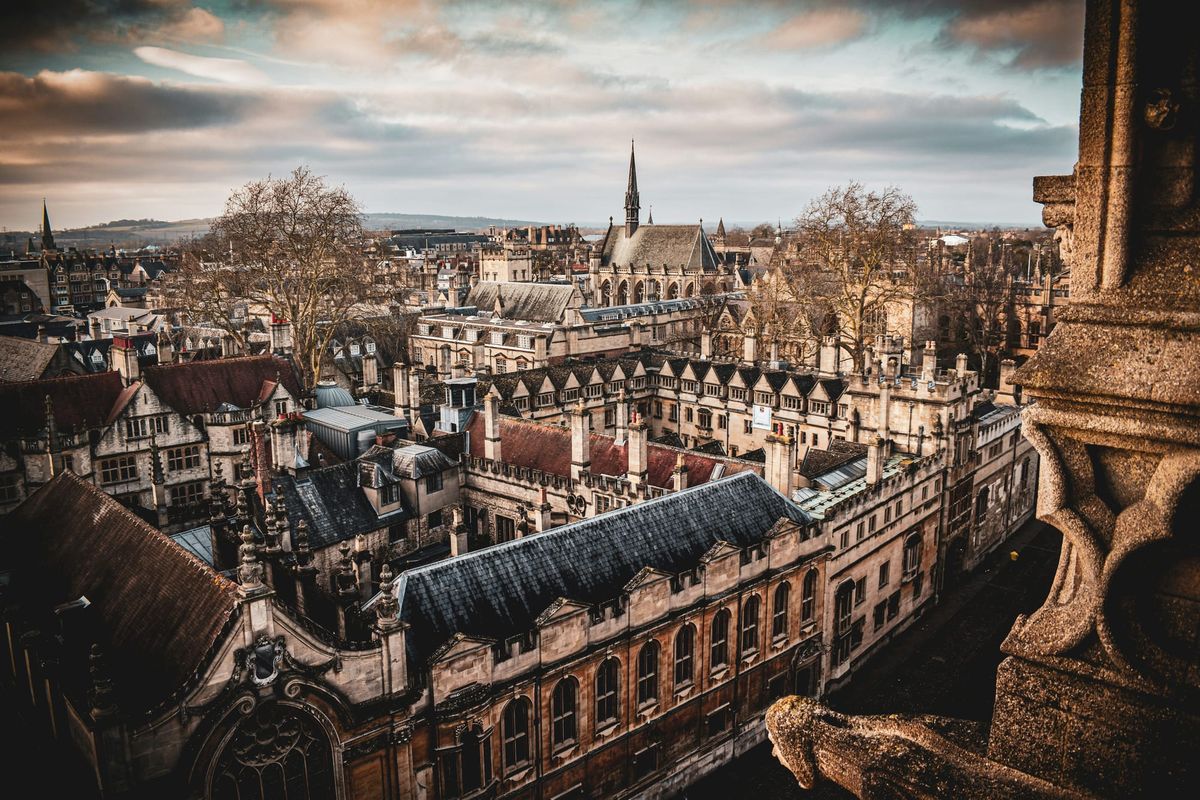
My protagonist and first-person POV character, Jasper, is a 39-year-old Englishman who works in Oxford University's Bodleian libraries as a book conservator. He's lonely and alone, aging before his time, chronically ill, and such a curmudgeonly hermit of a man that he's entirely given up on the soulmate for which he yearns. He doesn't want to settle for anything less than true love, but he doesn't believe a man like him could find such a thing.
Enter Darragh, quite literally the man of Jasper's dreams...but the familiar beauty he's dreamt of is spoiled by belonging to an ageless fae prince with an insouciant demeanor and a dire mission. He watches Jasper like there's something to see, and the mortal can never tell whether he's being mocked. In fact, Jasper can't even be certain all this is real...
If what the Courtless Oracles said is true, the Court of Common Truth--called the Court of Nothing Special by haters--is doomed unless they receive help from "the most ordinary man in the world." Guess who?
What Makes My Fae Different?
Perhaps most crucially, my fae aren't truly faeries. They're ancient, immortal entities closer to the Endless from accused rapist Neil Gaiman's The Sandman than to Tinkerbell. As a '90s Goth Kid, I devoured his works, and with my ill-timed resurgence of interest surrounding the Netflix series right before the Gaiman allegations dropped, it's been heavy on my mind.
So why do I call them faeries? Because within the world of my stories, humanity remembers them as such. It's the only word Jasper would know that fits, and many of the myths mortals tell of the fair folk fit Darragh's kind. They're folkloric in a sense similar to Holly Black's wonderful novels but ensconced in worldbuilding that positions them closer spiritually to a riotous pan-dimensional pantheon than the more bickering medieval kingdom flavor of her characters.
With this departure from mimicking human society or being beholden to fae legend comes a societal reimagining. These fae are innately queer. Glamour means that gender presentation is as fluid and malleable as one might desire, and while a fae might come into existence with a certain type of body, they can reform their substance into the configuration that pleases them given enough effort and the recognition of others to cement it. Their concept of gender is limitless, with every variation imaginable from cis to binary trans to creatures whose identities are outside any human society's capacity to imagine.
Since they don't reproduce sexually, sexual roles simply don't exist. Without progeny, empowered by the great equalizer that is magic, fae women were never subjugated. Patriarchy never took hold in their realm. No fae woman has ever thought her life was incomplete without a husband and children, and no fae woman was ever told her place was in the home. As for fae men, because fae don't reproduce, they're loath to kill...and there are, in fact, few ways to kill a fae. So there's no expectation for fae men to defend their families, homes, or realms through combat. There's no societal stigma around fae men being gentle or emotional, either.
They've developed their own equally strange set of problems, however, and Jasper will be in over his head learning to navigate it all. If he can't learn to trust Darragh and work alongside him, it'll be more than just the Court of Common Truth at stake.
If you want to see short stories and excepts from my A Court of Nothing Special universe, please join my mailing list for updates and share in my journey from rough draft to publication.